Capacity ramps and fab loading
How a foundry fills a new fab across quarters, what monthly revenue trends reveal before the next investor deck, and why a single shift in node mix outweighs a beat on the headline line.
Focus areas
Our editorial threads. Each is a standing line of inquiry into how artificial intelligence is reshaping investment research into the semiconductor sector — read in the light of Taiwan's foundries, tool-makers and packaging houses.
How a foundry fills a new fab across quarters, what monthly revenue trends reveal before the next investor deck, and why a single shift in node mix outweighs a beat on the headline line.
High-bandwidth memory allocation, advanced packaging throughput and accelerator shipment commentary as proxies for generative-AI demand — and where the read starts to mislead.
Tool-maker order books and fab capital plans as an early view of coming supply, weighed against the multi-year lead times that turn a semiconductor bet into a long horizon.
A reading path
One example of the editorial method, walked end to end. No investment advice; only the order in which we lay the sources.
We open the quarterly investor deck before any note. Utilization, wafer-shipment volume, capacity guidance and node-mix commentary sit there in plain figures. The first read is always the company's own numbers, in the order the company chose to present them.
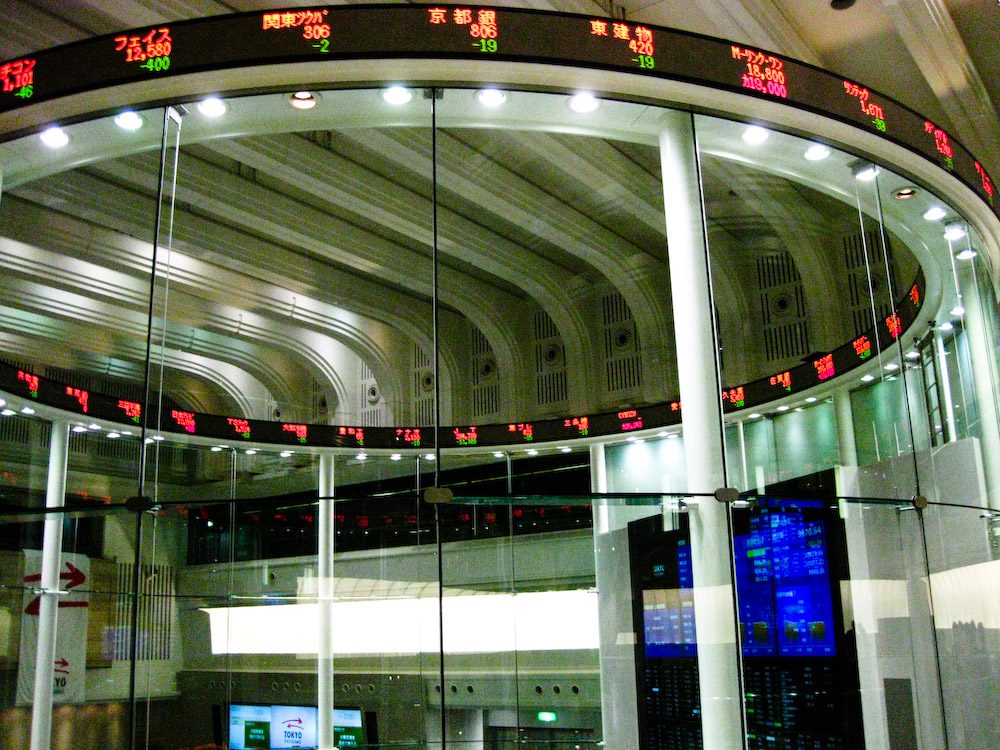
Equipment-maker bookings and association shipment data confirm or contradict the foundry's tone. A guide that the trade press cannot corroborate is treated as a claim, not a fact.
The article states the read and the sources behind it, and stops short of a trade call. Readers decide; we point at the documents.
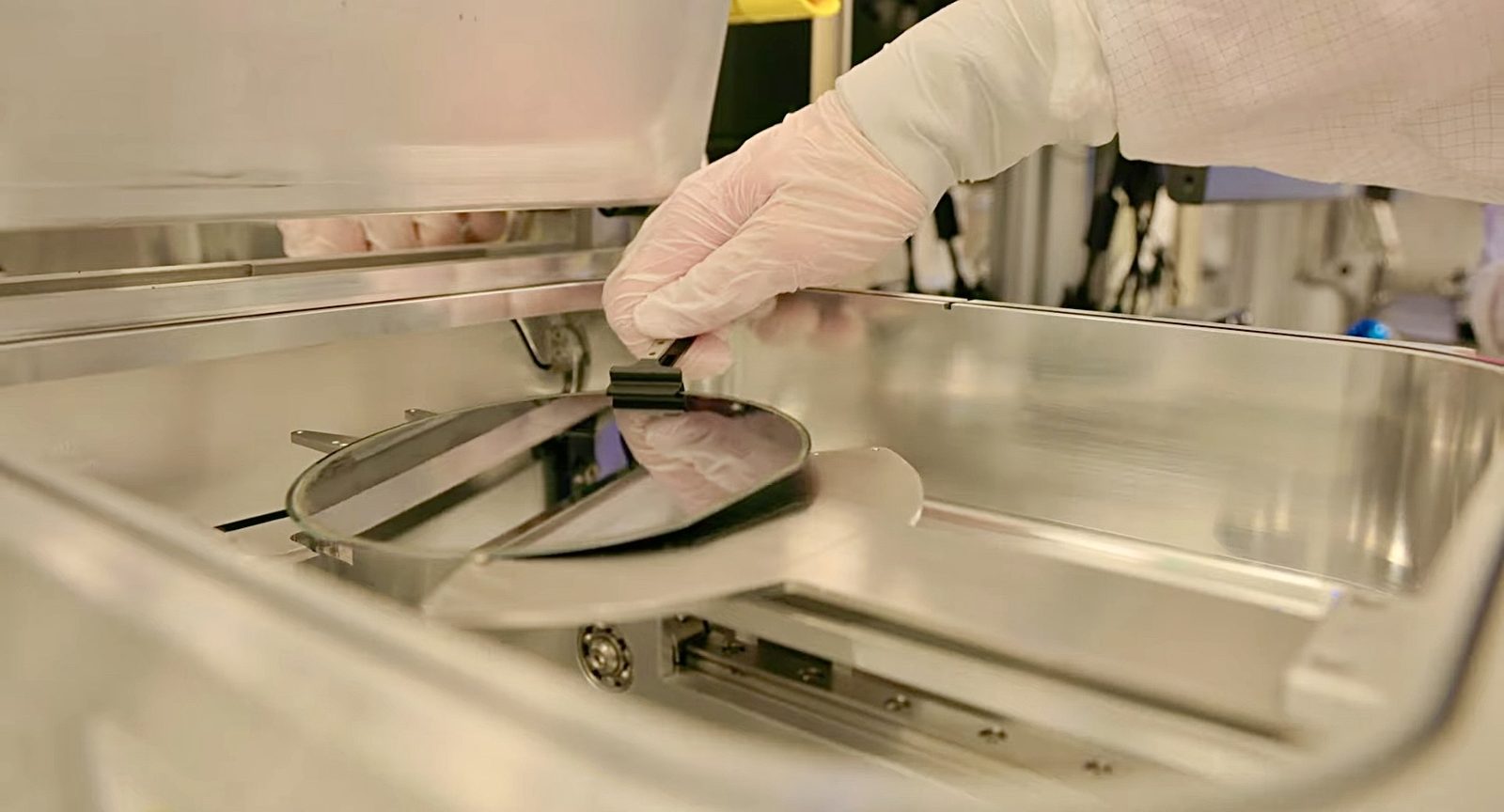
Write to us with a source request, a topic suggestion, or a question about where to start reading. We answer by email and never take a fee for it.