Foundry utilization & capacity ramps
How wafer-starts, fab loading and node-mix shifts at Taiwanese foundries translate into revenue guidance — and why a single percentage point of utilization matters more than a headline beat.
Taipei · Semiconductor fundamentals · AI in investment
Free editorial articles on how artificial intelligence is changing investment research into semiconductor sector fundamentals — capacity, utilization, capex and the demand signals that move foundries in Hsinchu and beyond. Nothing is sold here. Inquiries welcome.
Or call +886 2 2503 6942
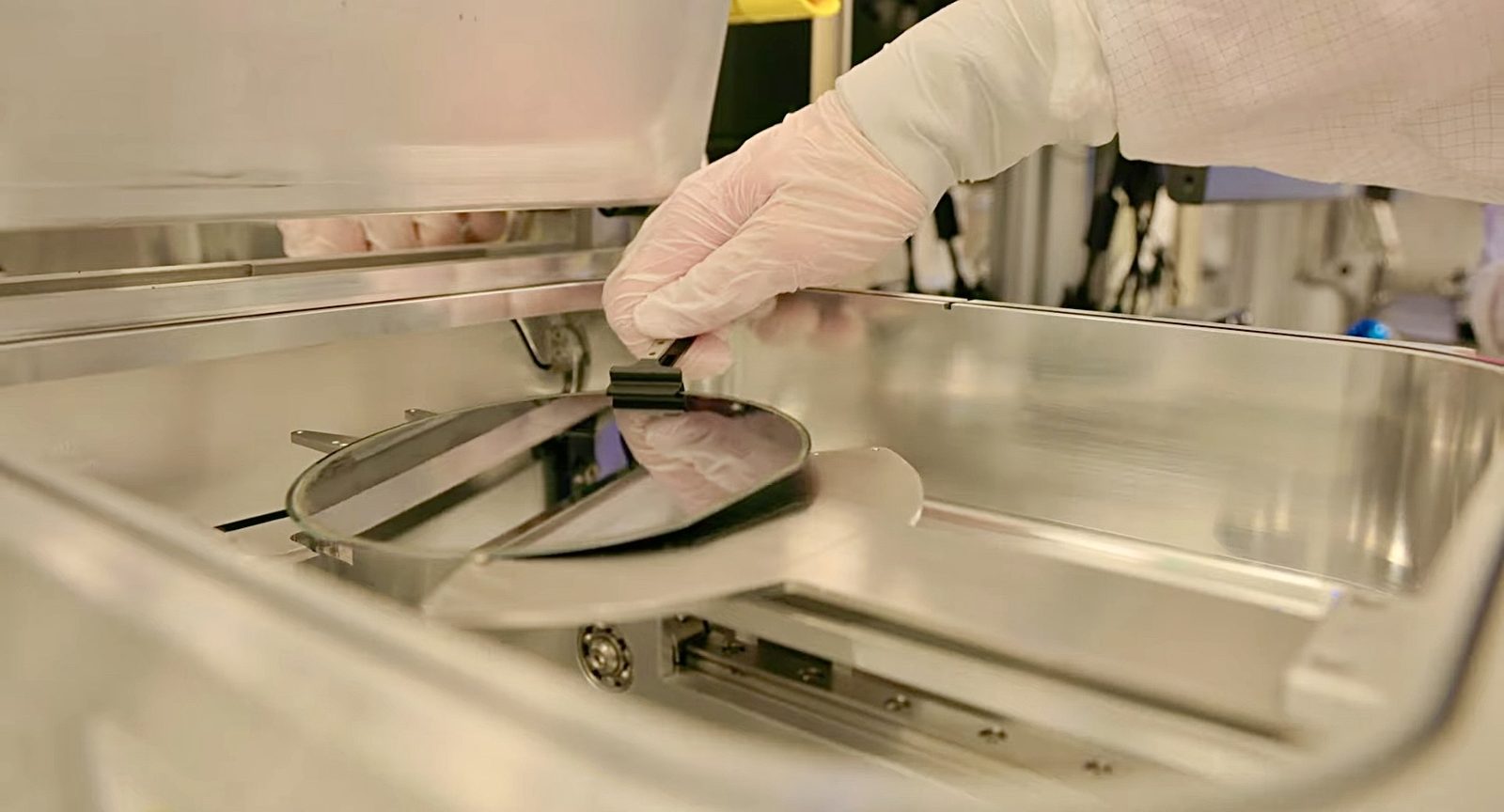
The view from Hsinchu
Most commentary on AI in investment treats chips as a backdrop. We treat them as the question. Foundry utilization, lead times and equipment orders are leading indicators that earnings releases only confirm later — and they are readable long before the analysts in distant time zones catch up.
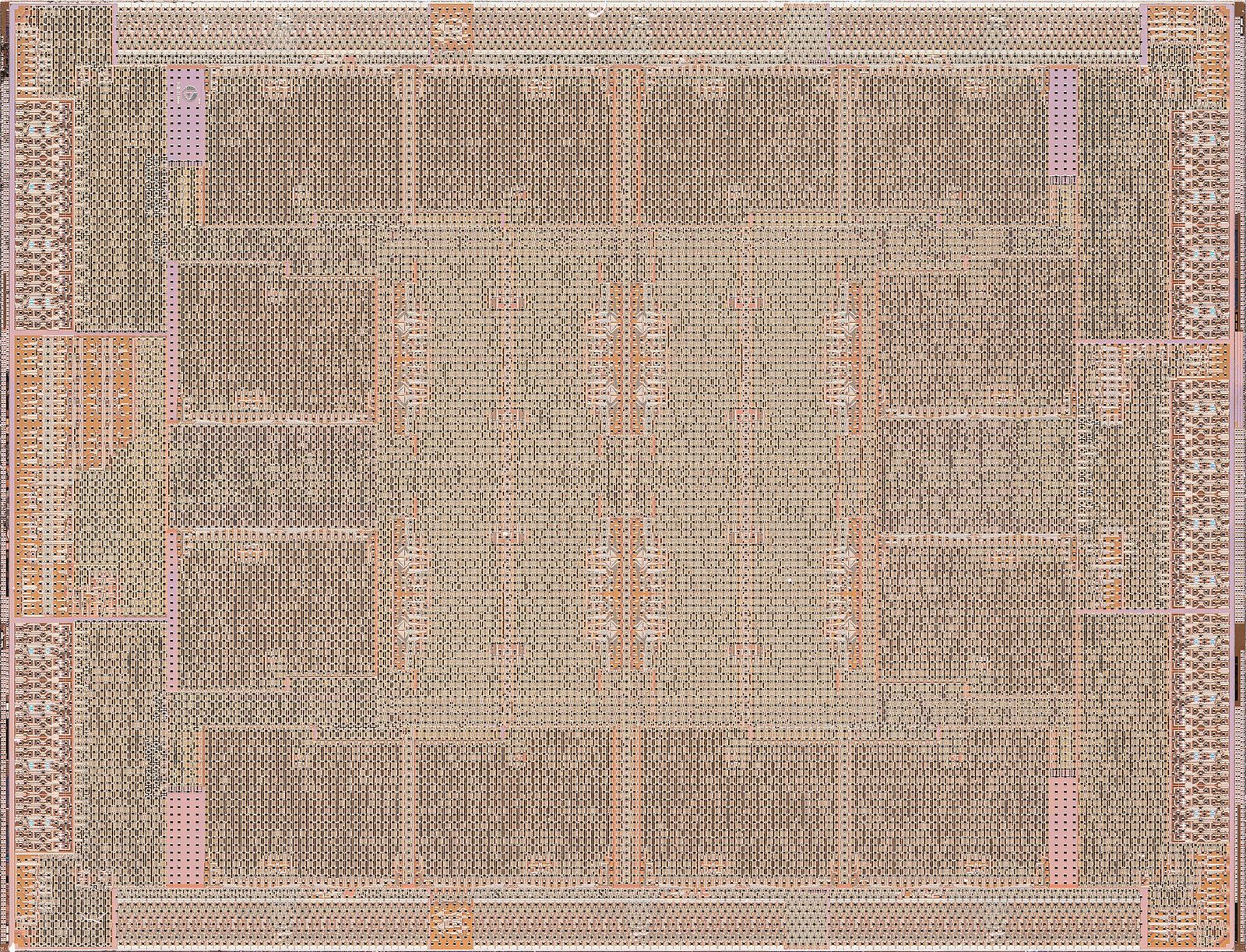
A finished die is a fingerprint of the cycle: node, yield, design rule and package all leave traces that an investor can learn to read. Our articles trace that path without offering personalised advice.
Focus areas
Each focus area is an editorial thread, not a paid tier. Read what interests you; write to us when you want a pointer to primary sources.
How wafer-starts, fab loading and node-mix shifts at Taiwanese foundries translate into revenue guidance — and why a single percentage point of utilization matters more than a headline beat.
Tracking HBM bandwidth, CoWoS packaging allocation and accelerator shipments as proxies for the build-out behind generative AI — and where the signal gets noisy.
Reading tool-maker bookings and fab capex guides as a forward look at supply, with attention to the long lead times that make semiconductor investment a multi-year wager.
Editorial method
Our articles are written for readers who want to reason about semiconductor fundamentals themselves — analysts, operators and curious investors in Taipei and farther afield.
We start from foundry disclosure decks, equipment-maker bookings tables, industry association shipment data and on-the-ground capacity checks reported in trade press. Synthesis comes after the source, and every claim links back to a document a reader can open themselves.

Utilization and lead times move quarters before earnings. We weight them accordingly and avoid dressing up short-term price moves as analysis.
For people who form their own view and want a second read of the fundamentals — not for anyone seeking a trade call or personalised investment advice.

Every accelerator shipped is a commitment of power, packaging and capital. Our articles follow that commitment downstream — and invite your questions back upstream.